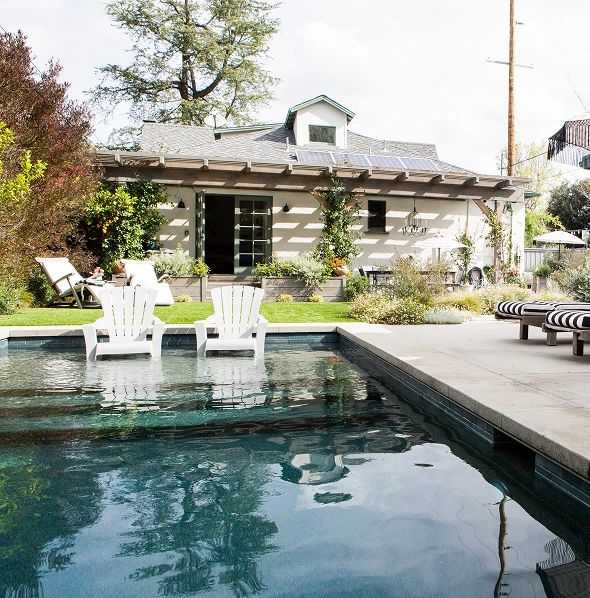
Building a swimming pool involves much more than selecting a pool shell, tile, decking, or water features. At Pool Works, we believe the best projects begin by looking at the entire backyard—not just where the pool will go.
When we visit a property for a site inspection, we take the time to envision the finished project and discuss the details that can affect the design, budget, and permitting process. That may include electrical requirements, fencing, gutters and drainage, property setbacks, and other improvements homeowners may want now or in the future.
As homeowners ourselves, we understand how important it is to know the realistic cost of a project before making a significant investment. Honest conversations early in the process can help identify potential challenges and expenses before construction begins.
One topic that often surprises homeowners is fencing. While most people spend time choosing the perfect pool design, many don’t think about the fence until the project is already underway.
Planning for fencing early can help create a more accurate budget, keep the project moving, and ensure the finished backyard is safe, functional, and complete.
Why We Discuss More Than the Pool
Every property is different, and every homeowner has a unique vision for their backyard. During a site inspection, we look at the practical details that can influence the pool project.
While Pool Works does not install fencing, we believe it plays an important role in the overall pool project. We want homeowners to understand where fencing fits into the design, budget, safety requirements, and permitting process. When needed, we can also help connect homeowners with the appropriate professionals.
In the South Carolina Lowcountry, every property brings its own unique considerations. Drainage, easements, property setbacks, HOA requirements, and coastal conditions can all influence how a backyard project comes together.
Looking at these details early helps homeowners understand the decisions that may affect their project before construction begins.
Why Plan Your Fence Early?
A fence is much more than the finishing touch around a pool. It can affect safety, permitting, access, landscaping, and the overall appearance of your backyard.
Waiting until the pool is nearly complete to think about fencing can create unexpected expenses or scheduling delays. Planning ahead allows you to:
- Include fencing in your overall project budget
- Determine the best locations for gates
- Plan access for pool equipment and lawn maintenance
- Coordinate fencing with landscaping and outdoor living spaces
- Consider how the fence will complement your home and pool design
- Address local safety and permitting requirements early
Aluminum fencing remains a popular choice for pool areas because it offers a clean appearance, requires minimal maintenance, and complements many home styles. The best fencing choice depends on your property, local requirements, budget, and how you plan to use your backyard.
Planning the fence as part of the overall design can help create a finished space that is both functional and visually appealing.
Understanding Common Pool Fence Safety Requirements
Pool fence requirements vary by city, county, and municipality. Always confirm the requirements that apply to your property with your local building department.
While requirements vary, several common safety principles apply to residential pool barriers.
The 48-Inch Rule
In many jurisdictions, a residential pool barrier must be at least 48 inches (4 feet) tall. This minimum height helps discourage young children from climbing over the fence while providing a secure barrier around the pool area.
The 4-Inch Sphere Rule
Another common safety standard is known as the 4-inch sphere rule.
Generally, openings beneath the fence or between its components should not allow a 4-inch sphere to pass through. This requirement helps prevent small children from squeezing through the fence and accessing the pool area.
Self-Closing and Self-Latching Gates
Your fence is only as secure as its gates.
At Pool Works, we like to think of these as “smart gates” because they are designed to help protect your family even when someone forgets to close the gate.
Depending on the applicable local requirements, pool access gates may need to:
- Swing outward, away from the pool
- Close automatically after someone passes through
- Latch automatically without requiring someone to manually secure them
Self-closing, self-latching gates reduce the chance of a gate being accidentally left open and provide another important layer of protection for children and pets.
We are also seeing more municipalities’ address doors that provide direct access to the pool area. Some jurisdictions require door alarms or other safety measures.
Because requirements can vary and change, discussing these items early helps homeowners prepare for both installation requirements and associated costs.
Common Fence Planning Mistakes
A few common planning mistakes can lead to unnecessary expenses or delays:
- Waiting until the pool is nearly finished before planning the fence
- Forgetting to include fencing in the overall project budget
- Not considering where gates should be located for equipment, lawn maintenance, or everyday backyard access
- Assuming all municipalities have the same pool barrier requirements
- Overlooking HOA or neighborhood architectural review requirements
A little planning at the beginning of the project can prevent frustration later.
Pool Works Planning Checklist
Before your project begins, consider the following:
- Include fencing in your overall project budget.
- Review your HOA or neighborhood requirements.
- Confirm local pool barrier requirements with your municipality.
- Determine where the fence and gates will go before construction begins.
- Think about gate locations for equipment, lawn maintenance, and everyday use.
- Ask how the fencing schedule will coordinate with the pool construction schedule.
- Have a current property plat available for planning and permitting.
- Discuss the complete backyard—not just the pool—with your builder.
The Pool Works Perspective
At Pool Works, we believe good planning creates better pool projects.
While we don’t install fencing ourselves, we want our customers to understand how fencing, access, drainage, electrical requirements, setbacks, and outdoor living features can fit into the bigger picture.
Planning these details before construction begins can help you avoid surprises, make confident decisions, and create a backyard that works for the way your family lives.
A beautiful pool deserves a well-planned backyard.
Planning a pool in the Lowcountry? Start with the whole backyard. We’re here to help you think through the details before construction begins.
Regards,
Irene Boddorf